Undergraduate summer research experience
Building and Testing a Radio Telescope
A portable 21-cm telescope project to characterise radio-frequency interference in Singapore and explore a teaching instrument for Yale-NUS College.

Project Abstract
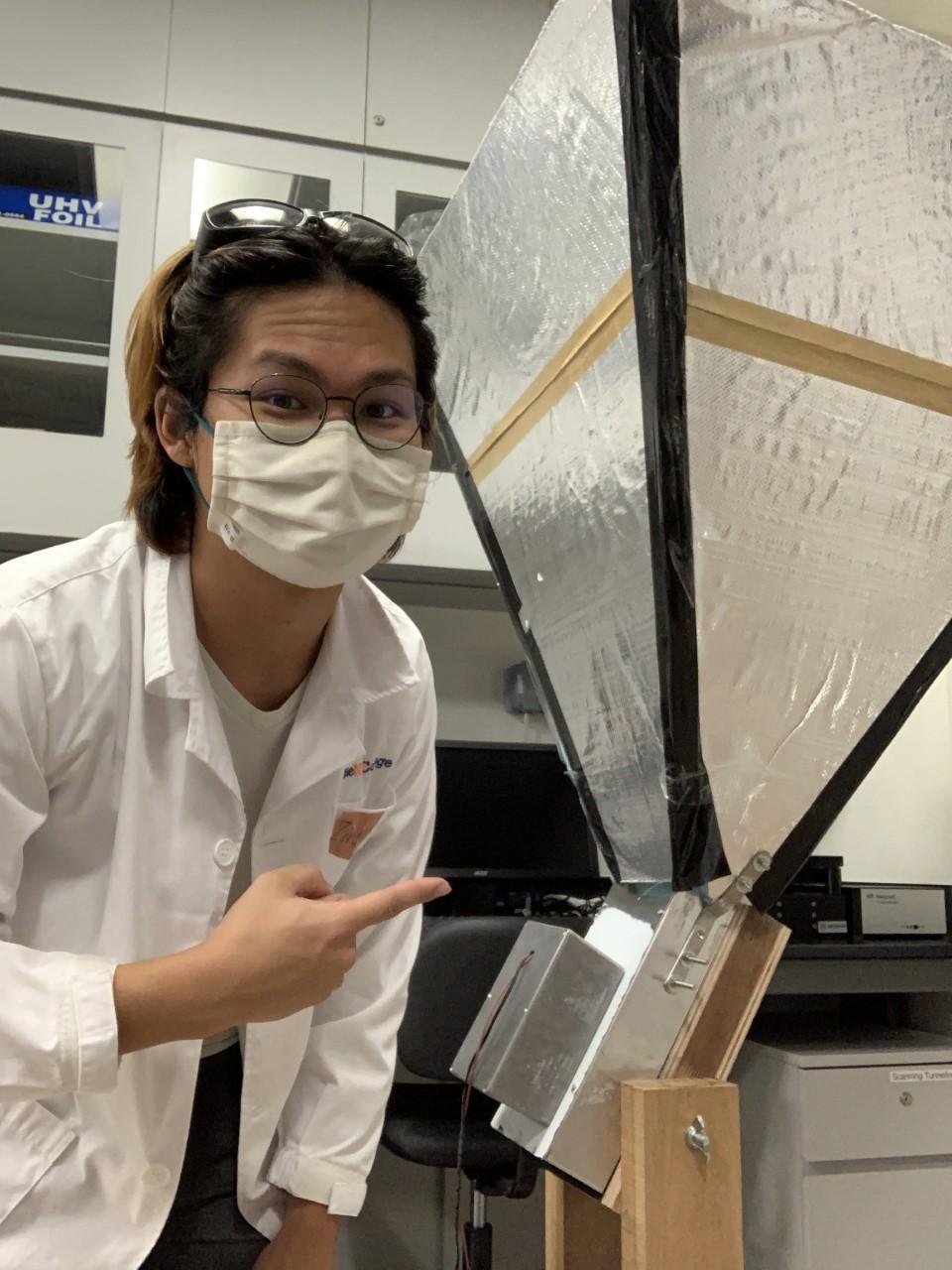
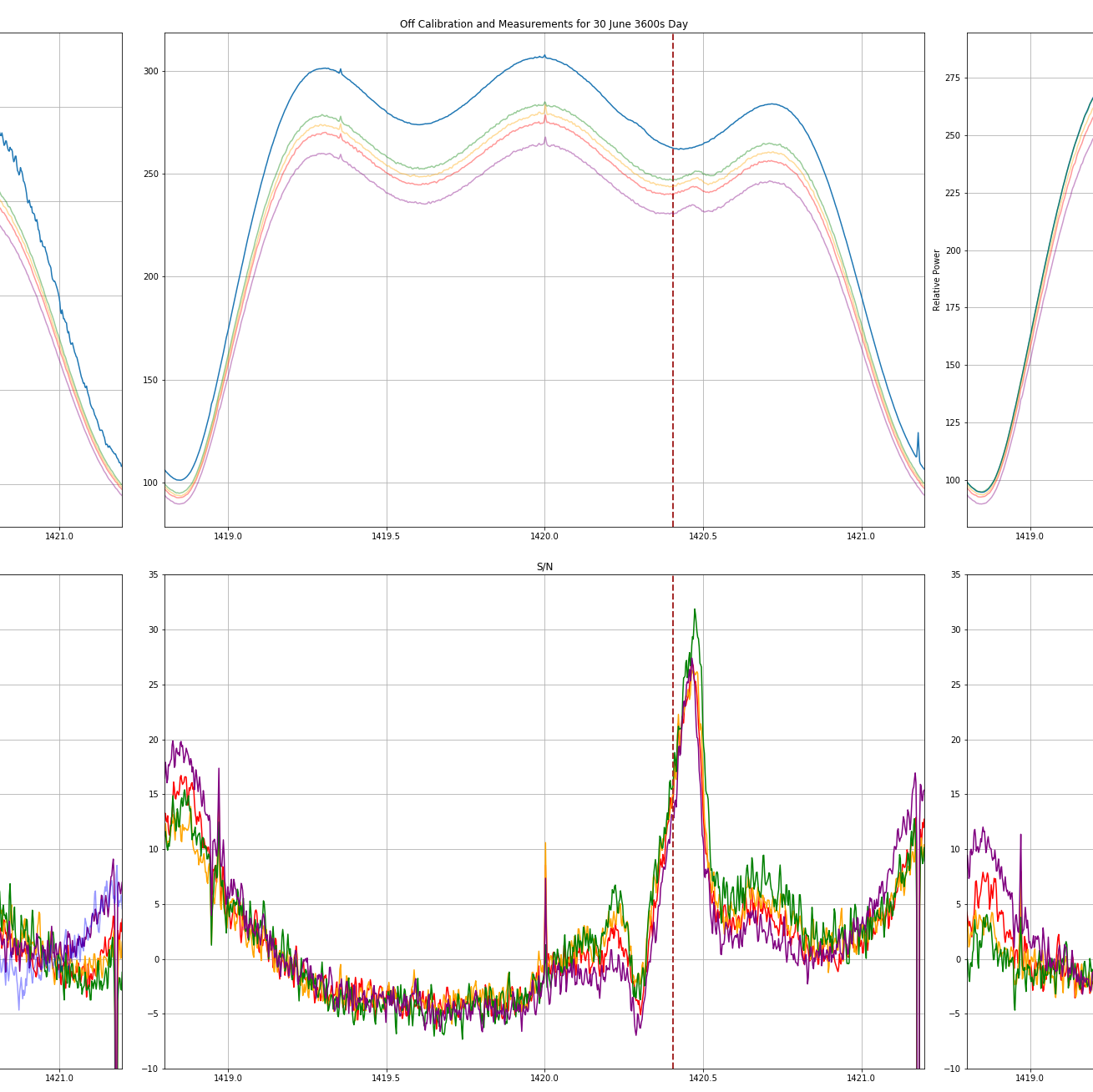
Neutral atomic hydrogen emits strongly at a wavelength of 21 cm, making the line a useful tool for studying the structure and dynamics of nearby galaxies. This undergraduate summer research project improved a small, portable feed-horn radio telescope to characterise the radio-frequency interference environment in Singapore near 21 cm.
The work also considered whether a larger instrument on the Yale-NUS campus could support teaching. The project combined practical telescope construction with spectrum measurement and analysis.
Background And Motivation
Neutral hydrogen emits at a wavelength of 21 cm. Observing this line provides a way to study gas and galactic structure, while local radio-frequency interference can complicate measurements.
Results And Next Steps
The project improved a portable feed-horn telescope to characterise the Singapore RFI environment near 21 cm and considered its potential as a teaching instrument at Yale-NUS College.
Methodology
The undergraduate summer research experience combined telescope construction with spectrum acquisition and analysis.
Citations
Background reading: MIT Haystack: 21-cm hydrogen emission ↗.